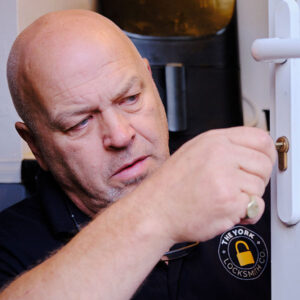
Not sure if you should change locks after tenant moves out? As a landlord, you have a fair responsibility to make your tenants feel safe. Of course, you’re not responsible for crime in the area or the actions of previous tenants, but it’s important that tenants feel like they have a landlord they can trust.
Changing locks between tenants: your legal responsibility
As a landlord, you do not have a legal obligation to change locks after tenants move out. Likewise, your tenants cannot force you to change the locks, though there is nothing to stop them making a request.
It’s understandable if you’re feeling hesitant about changing locks.
If you’re a landlord with a high tenant turnover, for example, if you rent student property, then you might be concerned about costs. However, locks can cost anywhere from £20 to £50, and if there is no emergency callout, then replacing locks can be very reasonable. It’s a small price to pay – even if you’re doing it yearly – to keep everybody safe.
Why should I change the locks between tenants?
According to insurance company Direct Line, nine out of 10 landlords do not change the locks between tenancies. This could pose serious risks, particularly if previous tenants have had extra keys cut to give to their friends and families.
If tenants left on bad terms…
In an ideal world, all tenant agreements would come to an end in an amicable manner. Final payments would be settled, deposits returned and the house left in a fit state for the next tenant. Unfortunately, this isn’t always the case – tenants and landlords can have disputes about all manner of things, from repairs to rental payments.
Even if your tenant did not leave on bad terms, it is always best to change the lock for your peace of mind.
If your home is covered by insurance…
It’s important to note that tenants are not responsible should the property be accessed by somebody with a key. It is up to you, as landlord, to protect the house from break-ins and to stop the risk of invalidating your insurance.
According to the National Residential Landlords Association, the landlord has a “responsibility to provide a reasonable degree of security”. Of course, in an insurer’s eyes, this is open to interpretation – some may not pay out if the home was broken into with a key. For all avoidance of doubt, it’s better to change the locks.
If the rental agreement specifies it…
In some cases, the landlord’s Assured Shorthold Tenancy Agreement will specifically outline the responsibilities for keys and locks. A tenant technically ‘owns’ the property while living in it (known as ‘estate in land’, which means they have a right to do it themselves. However, they have to issue the landlord with the new key.
If you’re working with a letting agent, or you’re simply not sure what your documentation says, check over your Assured Shorthold Tenancy Agreement. You may have agreed to change the locks without knowing.
If your locks haven’t been changed in a while…
Last but by no means least, let’s not forget that locks degrade over time! Generally, you can expect a BS3261 lock to last about 10 years, but you should change more often if you have high tenant turnover.
Change your locks quickly and easily with York Locksmith Company
For peace of mind for your property and your tenants, contact the York Locksmith Company today. You want the best possible relationship with your tenants, which starts with security. Keep them happy and safe with new locks.