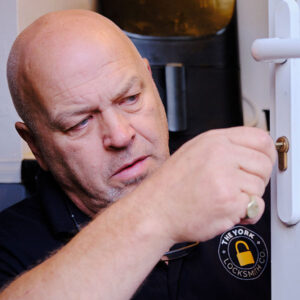
A massive 76% of all burglaries start with doors, so that moment when you realise your door won’t look is more than just an inconvenience: it’s a security risk. Whether it’s your front door, back door, or even an internal door with the issue, having trouble locking it can leave you feeling frustrated and uncomfortable. We get it! That’s why in this guide we’ll explore some of the most common issues that prevent a door from locking properly, helping you to troubleshoot and resolve the issue quickly. Let’s take a closer look.
- General Door Locking Problems
- Wooden Door Locking Problems
- UPVC Door Locking Problems
- Metal Door Locking Problems
- Composite Door Locking Problems
- When Is It Time To Call A Locksmith?
- Conclusion: Lock In The Right Fix

General Door Locking Problems
Before turning to specific locking issues, it is important to consider some more general explanations as to why your door won’t lock. From misalignments to wear and tear, even the smallest issues can stand in the way of your door functioning properly.
Seasonal Issues
Changes in weather are a massive culprit for keeping doors open. As the seasons transition, temperature fluctuations and humidity levels can expand and contract your door and frame, leading to misalignment.
For instance, uPVC doors can expand in the heat, causing them to become stiff and difficult to close. Wooden doors similarly expand, but in colder weather, due to increased moisture in the air. Summer heat can also cause them to shrink, leading to the door pulling away from the frame.
Preventing Seasonal Issues
To prevent these issues, you can regularly inspect the door for signs of warping and check the alignment of the lock. It might be a case of readjusting the strike plate, or weatherstripping your door to minimise the impact of seasonal shifts. It could even be as simple as waiting it out until the temperature readjusts.
Issues With Your Key
Even the most reliable of door locks can be impacted by key-related problems, whether it is a physical issue with the key itself, or a problem with how it is being used.
Worn or Damaged Key
As with most things, keys will undergo wear and tear as time goes on, especially as the average person will use them daily. If the key’s teeth are worn, it might mean that it can’t align with the lock pins properly. So, if the key looks excessively worn, bent, or even cracked, it is unlikely that it can turn the lock smoothly. Your best option in this scenario is to have a new key cut.
Key Sticking or Jamming
If your key feels tough to turn, it could be due to dirt or debris being trapped inside the lock cylinder. If you are able, removing the object can quickly solve the problem. In other cases, using a non-oil based lubricant, like graphite powder, can help smooth the key’s movement, preventing it from sticking.
Incorrect Key
It might seem obvious, but sometimes we just reach for the wrong key. Make sure you’re using the correct key for the specific lock. If you’re using your front door key, it could explain why your patio door won’t lock!
Misaligned Strike Plates
A misaligned strike plate is easily one of the most common causes of a door that won’t lock. The strike plate is the metal plate on the door frame where the latch of the lock enters when the door is closed. If it isn’t aligned correctly, then the lock simply won’t engage.
Fixing a Misaligned Strike Plate
Fixing a misaligned strike plate depends on the severity of the misalignment. If it is only slightly off, it can often be realigned yourself by loosening the screws and carefully pushing it into place before retightening. If it is significantly misaligned, often due to incorrect installation, the strike plate might need repositioning entirely, meaning that new holes will need to be drilled into the correct location. In this scenario, you might want to consider contacting a professional to ensure accurate positioning.
Misaligned Key Cylinder
The key cylinder is the lock mechanism that receives the key. For the key to turn, the key must align precisely with the internal components of the cylinder. So, if the hardware holding the cylinder in place is loose, or there’s accidental impact or force applied to the door, even minor changes in positioning can make it hard to lock.
Fixing a Misaligned Key Cylinder
If you suspect a misaligned key cylinder is causing the issue, you can start by carefully tightening the screws that hold it in place with a screwdriver. Avoid overtightening the cylinder as doing so can cause damage to the mechanism or surrounding elements.
Realigning the cylinder is also an option. Similar to realigning strike plates, this is usually fairly simple and can be done by loosening the screws, shifting the cylinder back into place, and then retightening the screws. If, even after adjusting, the cylinder still does not align properly, the best solution is to replace it, following the manufacturer’s instructions for installation.
Wear and Tear
Locks are unfortunately not immune to time. With regular or improper use, the components of the lock gradually degrade, leading to a variety of issues, including a door that won’t lock at all.
Whilst regular maintenance and addressing small-scale issues early can prevent large scale locking problems, often the best option is to replace worn components. This will restore the functionality of the lock for years to come, and doesn’t have to come with a hefty price tag.

Wooden Door Locking Problems
Wooden doors are a popular choice for many homeowners because of their timeless appeal and natural beauty. However, they are also susceptible to a variety of specific locking issues. In this section, we’ll explore three common wooden door locking problems and provide a couple of practical tips if your wooden door won’t lock.
Swelling Or Shrinking
Wood is highly responsive to even the slightest of temperature or humidity changes, meaning it can expand or contract over time. In conditions where there is a lot of moisture, a wooden door tends to swell. This can cause it to become too tight in the frame, making it particularly difficult to engage the lock properly. In dry conditions, shrinking can misalign the door, having a similar effect.
Solutions for Swelling or Shrinking
Ensuring that your door is properly sealed with specialised paint or varnish can help reduce moisture absorption and minimise swelling. If the door is sticking, it might also help to sand the edges and adjust the strike plate.
For shrinking, check the alignment of the door and frame, making small adjustments as needed.
Warping
Older doors may experience warping or bowing. In both cases, the door becomes uneven and misshapen. Warping occurs when one side of the door absorbs more moisture than the other, causing uneven expansion. Over time, this can result in alignment issues with the frame and the locking mechanism.
Solutions for Warping
Minor cases are often fairly easily corrected by adjusting the hinges, sanding the door, or repositioning the strike plate. Larger scale misshapes will require professional attention or a complete door replacement.
To prevent future cases of warping, proper installation and sealing of the wood is key.
Loose Or Worn Hinges
Particularly heavy wooden doors can put a lot of strain on their hinges, especially if they are not maintained well. Over time, this weight can lead to loose or worn hinges which in turn can cause the door to sag. If it gets to this point, the door may no longer correctly align with the frame or lock.
Solutions for Loose or Worn Hinges
Luckily, the fix is quite straightforward. If you notice any loose hinge screws, tighten or replace them if necessary. For more significant sagging, you might need to install additional hinges or longer screws. Doing so can help to redistribute the weight of the door.

UPVC Door Locking Problems
UPVC doors are renowned for their durability. However, just as with any door, they can encounter locking problems over time. Knowing what to look for can help to prevent a small problem from becoming a big security concern.
Dropping
Particularly common for heavier uPVC doors, dropping refers to when a door becomes misaligned due to it sagging lower in its frame. Not only is this a potential cause when your front door won’t lock, but it can cause draughts and gaps in the frame, reducing the energy efficiency that high quality uPVC doors are known for.
Solutions for Dropping and Warping
For dropping, inspect the hinges to see if they are loose or worn. Tightening screws can sometimes fix minor sagging. Many uPVC doors nowadays also come with adjustment screws that allow you to easily raise or lower the door as required so that the locking mechanism is realigned.
Faulty Euro Cylinder
A Euro cylinder is a type of lock cylinder found in many types of doors. However, issues are more common in uPVC options, particularly internal blockages or wear that can cause the lock to be stiff or even stuck. Poor-quality Euro cylinders are often more susceptible to internal failure, made worse by the fact that they are more likely to lack advanced security features.
Solutions for a Faulty Euro Cylinder
Luckily, there are a couple of things you can try if you suspect the euro cylinder is to blame. First, check the keyhole for any dust, dirt and grime which may have accumulated and use a soft brush to remove any debris. If the key is turning, but with difficulty, lubricate the cylinder with a graphite-based lubricant. This will prevent dust and dirt from sticking and help the mechanism to turn smoothly.
If the Euro cylinder has been damaged beyond repair, it’s time to replace it. While measuring and replacing a euro cylinder is a beginner’s level fix, a locksmith can ensure that the new cylinder is of a good quality, insurance approved and compatible with your door’s locking mechanism.
Faulty Multipoint Lock
Unlike traditional locks, which only secure the door at a single point, a multipoint lock uses multiple bolts, hooks or rollers to keep the door in place. So, when you turn the key or operate the handle, the multipoint lock engages all these locking points simultaneously. Since multipoint locks are supposed to provide enhanced security, it can be one of the most frustrating issues for homeowners when they don’t work.
Solutions for a Faulty Multipoint Lock
Because of the many elements of a multipoint lock, it can be quite tricky to fix the issue yourself. However, for smaller scale problems, lubrication, cleaning and realignment can help. If the issue persists, we recommend replacing components. In many cases, the individual parts can be replaced without the need for a complete lock replacement.

Metal Door Locking Problems
Metal doors are sturdy and secure, but they can still experience locking issues. Along with more general culprits, rust and corrosion are a particular problem to look out for.
Corrosion or Rust
Despite their robust nature, metal doors face the issue of corrosion and rust. If left unchecked, spreading rust can make your metal door extremely difficult, or almost impossible, to lock properly.
Corrosion and rust can form inside the locking mechanism, particularly in the keyhole and strike plate, causing the lock to seize. In more extreme cases, rust can also cause the strike plate (or even the frame) to distort, preventing the locking bolt from entering the plate properly and weakening the system.
If you’re finding it hard to turn or operate the handle or locking bolt, it could also be due to rust on these individual components.
Solutions for Corrosion or Rust
Rusting handles and bolds can be gently cleaned with rust remover or sandpaper. Alternatively, you can replace them with rust-resistant or anti-rust options to prevent future corrosion.
If your metal door or door frame is more widely corroding, you can address the issue by cleaning it and applying a rust-inhibiting primer and paint. You may also need to reinforce the frame if it has been weakened by rust, as it can impact how well the lock engages.

Composite Door Locking Problems
Whilst there are no specific issues faced by composite doors alone, when it comes to locking, they still encounter many of the problems outlined above, including:
- Misalignment of the door or locking mechanism.
- Faulty locking mechanism.
- Worn or broken key.
- Lock cylinder issues.
- Broken or sticking door handle.
- Damaged strike plate.
- Warping or swelling.
These issues can largely be solved in the same way as they are on other doors.
When Is It Time To Call A Locksmith?
To avoid further damage or security risk, knowing when to call a locksmith is essential. If you’ve tried the solutions suggested above and your door still won’t lock, it’s time to get a professional out for help. This includes for things like:
- The lock mechanism is completely jammed or stuck, and lubrication isn’t helping.
- A bent or snapped key, or a key broken inside the lock.
- A misalignment that requires more than small adjustments.
- Complicated issues with multi-point locking systems.
- Broken internal parts.
- The lock has been damaged during a break in.
- You need a high-quality fix, quickly.
In any case where your door won’t lock, contacting a local and professional locksmith will ensure that your door locks are repaired or replaced correctly, maintaining security and peace of mind. If you notice any early warning signs, like the lock becoming stiffer or more difficult to turn, don’t wait too long as the problem may escalate, becoming more costly and time-consuming to fix.
Conclusion: Lock In The Right Fix
Locking issues are a frustrating yet common problem that can compromise the security of your home. Whether it’s a misaligned lock, a worn-out key, or environmental factors like warping or rust, identifying the root cause early on can prevent further damage.
If problems persist and the door still won’t lock, calling a professional can help you to quickly restore your door’s security. At The York Locksmith Company, we offer a wide variety of locksmith services including 24-hour emergency lock repairs. So, if you’re looking for a friendly and reliable service, get in touch with us!