Picture this: you’re coming home after a long day’s work and all you want to do is jump into the shower, get into your PJs, and sit in front of the telly – but as you reach the front door – the key snaps in the lock! Few things can be more frustrating and yet the data suggests that you’re not alone. As many as 38% of UK residents admit to getting locked out at least once a year. If you find yourself part of this statistic, you might ask “How long do locksmiths take to arrive and change a lock?” Good question.
No matter what the reason is for requiring a locksmith, we are here to clear things up. So, whether you’ve lost your keys, broken them in the lock, or have been inadvertently locked out by another inhabitant, or for any other reason, here is everything you need to know.
When might you need a locksmith’s services?
When might you need a locksmith’s services? Well, the scenarios are quite diverse. Perhaps you’ve misplaced your keys during a busy day of errands, or worse, you’ve found yourself in a predicament where your home has been broken into. It could even be as simple as being accidentally locked out by a roommate or family member.
Here’s a comprehensive list of reasons why you might need the services of a locksmith:
- Lost or misplaced keys
- Broken or damaged keys
- Upgrading home security to prevent burglars
- Meeting insurance standards
- Fulfilling landlord responsibilities
- Purchasing a new home
- Renovations
- Home burglaries
Whatever the case, the need for a locksmith can arise suddenly and unexpectedly, disrupting your plans and causing inconvenience. But fear not, understanding the typical response time and process of a locksmith can help alleviate some of the stress in such situations.
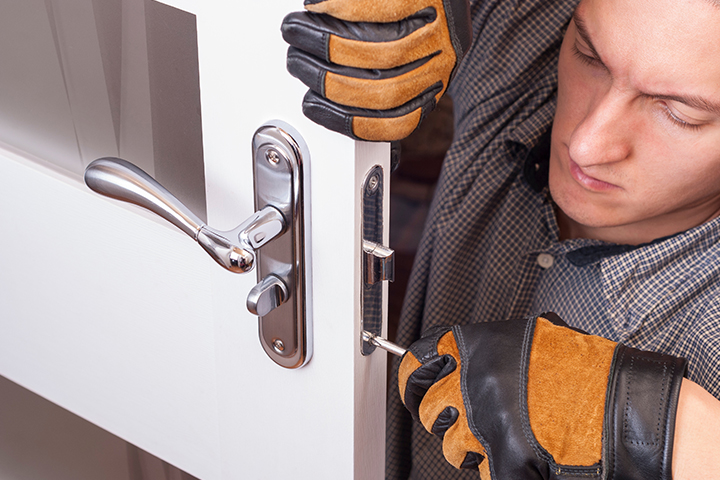
How long do locksmiths take to arrive?
The arrival time for a professional locksmith can vary depending on a multitude of factors, but typically, you can expect them to reach your location within 15 to 30 minutes for an emergency situation.
In the case of scheduled work like changing keys between tenants and where there is less urgency, it might be a day or two before the locksmith arrives to complete the work. Usually, you will arrange a time in advance that suits both parties.
However, certain circumstances may prolong these timeframes, such as unfavourable weather conditions like heavy snow or rain, which can impede travel. Additionally, the level of traffic in your area may extend the waiting period, whether due to accidents on major roads or rush hour congestion. Distance is another significant factor influencing arrival time, as the locksmith’s proximity to your location will naturally affect how quickly they can reach you.
Once they do arrive, the duration of their services will vary based on the complexity of the task at hand.
How long does a locksmith take to change a lock?
When it comes to changing a lock, the time it takes for a locksmith to complete the task can vary depending on numerous factors. Nevertheless, on average, the process typically ranges from 10 minutes to an hour.
This timeframe encompasses various steps involved in changing a lock, from opening the door to fitting a new lock and cutting keys.
The process
Changing a lock involves several steps to ensure the security of your property. First, the locksmith will assess the existing lock and determine the best approach for removal or replacement. Once the old lock is removed, they will inspect the door and surrounding area to ensure compatibility with the new lock and general safety standards. Finally, they will install the new lock securely and test its functionality to guarantee proper operation.
Opening the door
The initial step in changing a lock is gaining access to the door. Depending on the situation, this may involve unlocking the door with an existing key or using specialised tools such as hand picks, lock decoders or plastic shims to bypass the lock mechanism. In cases where keys are lost or broken, the locksmith may need to employ techniques such as lock picking or drilling to gain entry safely and efficiently.
Fitting a new lock and cutting keys
After gaining access to the door, the locksmith will proceed to fit the new lock into place. This entails aligning the lock mechanism with the door frame and ensuring proper installation for optimal security. Then, the locksmith will cut or provide keys to match the newly installed lock, giving you functional access to your property.
Rekeying vs picking
When it comes to addressing security concerns with your locks, two common methods often come into play as we’ve discussed: rekeying and picking. While both techniques aim to provide access or enhance security, they serve different purposes and involve distinct processes.
Rekeying involves altering the configuration of the lock so that it works with a different key. This process doesn’t require replacing the entire lock mechanism but instead involves adjusting the internal components to match a new key. Rekeying is an ideal solution in situations where you’ve lost a key, moved into a new home, or want to enhance security by rendering old keys ineffective.
On the other hand, picking refers to the skilful manipulation of the lock’s internal mechanisms to unlock it without the original key. This technique requires expertise and specialized tools, as locksmiths carefully manoeuvre pins, tumblers, or other locking mechanisms to break through the lock’s security features. Picking is often employed when a key is unavailable, such as during a lockout situation, or when gaining unauthorized access is necessary.

Factors that impact how long the process takes
Several factors can influence the duration of the lock-changing process. The complexity or type of the door lock system, the number of locks, the type of door and frame, and the locksmith’s level of expertise all play a role in determining how long the task will take.
Other unforeseen complications such as damaged door components or difficult-to-access lock mechanisms may extend the timeline. By considering these factors, you can better understand the expected timeframe for changing your lock and plan accordingly.
What to expect in emergency situations
In emergencies, such as being locked out of your home or experiencing a security breach, a locksmith understands the urgency of the situation and will strive to provide prompt assistance. Depending on the severity of the emergency and the locksmith’s availability, they may expedite their response time to ensure you regain access to your property as quickly as possible.
However, it’s essential to communicate the urgency of your situation clearly and provide all the details when contacting a locksmith to ensure they prioritise your request properly.
Whatever the scenario, don’t panic!
Whether you find yourself locked out of your home, facing a broken key in the lock, or dealing with a car lockout, it’s essential to remain calm and approach the situation with a clear mind.
Understanding the options available to you, such as rekeying or picking, and knowing when to enlist the help of a professional locksmith can help alleviate stress and resolve the issue.
Remember, locksmiths are trained to handle a wide range of lock-related challenges, and their expertise can provide reassurance in even the most daunting situations. So, whatever scenario you encounter, take a deep breath, assess your options, and trust that help is available to get you back on track.