Nothing casts a shadow over your mood quite like a faulty door lock. Whether that’s a sticky mechanism messing with your mojo or a vulnerable entry point eating away at your peace of mind, it’s a good idea to nip the issue in the bud and fix that lock ASAP. But how do you fix a door lock, you ask?
Well, in this article, we’re going to explain exactly that, outlining your first steps, how to spot common door lock problems and giving you the know-how to remedy them.
FYI: For some of these fixes you’ll need access to the correct keys, so if you or a previous tenant/homeowner has lost them, it’s time to reach out to a local locksmith who can get to you quickly and sort the problem.
Sooner Rather Than Later
Before we get into the ‘meat’ of this tutorial, let’s quickly take a step back and think about the importance of fixing your door lock sooner rather than later. While, of course, this isn’t an exhaustive list, here are the most important reasons why you shouldn’t put off remedying the problem.
- Safety – The big one, and your main priority, a comprised external door lock can increase your chances of experiencing a break-in. Particularly as thieves are wont to target properties with vulnerable entry points.
- Insurability – Another crucial point is that ineffectual external door locks can sometimes invalidate home insurance policies, so it’s important to ensure they’re up to standard.
- Legal obligations – If you’re in a position of responsibility, such as an employer or landlord, you may have a set of obligations surrounding the security and upkeep of the premises.
- Cost-efficiency – When a broken door lock could cost you in the case of a burglary and even via heat loss, it makes sense to sort the issue as quickly as reasonably possible. Plus, by tackling the lock sooner, you may dodge a complete replacement for a simpler and cheaper repair job.
- Convenience – Finally, with noise and air pollution potentially posing a nuisance, or indeed a threat to your health, it’s much more convenient to get the repair out of the way.
Signs Your Door Lock Is Broken
Now that we’ve covered the motivations behind getting your door lock fixed, it’s time for us to point out some of the most obvious signs that it’s in need of repair. While some of these are down to a poor initial installation, even the most secure door locks can fall victim to wear and tear, so make sure to cast a discerning eye over older models. If you tick any of the points from the list below, it’s a sure-fire indication that you’ve got some work to do.
- Your door won’t lock
- The key is consistently sticking or jamming in the lock
- Wobbly or overly stiff handles
- A loose lock mechanism
- Corrosion or rust
- Visible misalignment of latches or the door in its frame
- Signs of forced entry, e.g., scratches, bent or snapped parts
Common Door Lock Problems & Their Fixes in a Nutshell
So those were some of the symptoms of a broken door lock, but what about the cause, or the malady if we’re to continue this metaphor? Well, again, we’ll make it easy for you by spelling out the most common ones, plus their fixes.
Warping, Expansion & Shrinkage
Sometimes, even the most secure doors – composite, uPVC and wood – can be subjected to warping as the temperature fluctuates throughout the year. Fortunately, it’s rare for this to be such an issue that it compromises the functionality of the lock; however, if you do find it causing problems, you have a few options.
Across all door types, you can make small adjustments to the alignment of the strike plates, hinges or, indeed, the door in the frame. Another thing you can do to prevent swelling and/or shrinking in wooden doors, in particular, is to top up their protection with a layer of specialist paint or varnish.
Underperforming Hinges
With age, old hinges can become loose or even rusty if they haven’t been taken care of. This can lead to the sagging of the door, which in turn can misalign the lock mechanism and the frame. The fix, in this case, is a straightforward one you’ll be glad to know – simply tighten them or replace them with shiny new ones that can safely support your door’s weight.
Jammed Door Lock
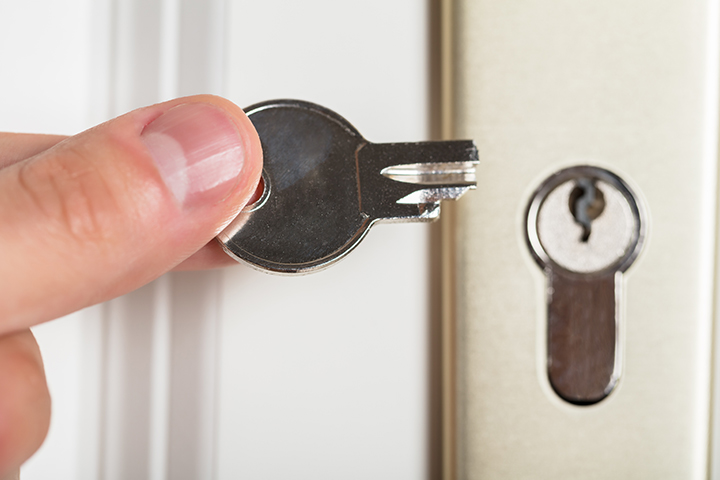
If you don’t see any physical obstructions with the lock or any physical damage, the mechanism is likely jammed. There are many reasons why this might have happened. Both euro cylinder locks and mortice deadlocks can become stiffer and slower along with the build-up of grime and debris, which may even include pieces of a broken key if it has snapped inside the keyhole.
Usually, these issues come with a lack of maintenance or simply wear and tear, and they’re easily remedied. You could try loosening things up by lubricating the keyhole with an appropriate spray or, if you can get your key in, using it to feed in graphite powder. If it’s the dead of winter and outdoor temperatures are excessively low, you might want to try warm water or a de-icer as well as your lubricant of choice, as it could be frozen.
Misalignment of Latch & Strike Plates
It’s not uncommon for parts of your door lock to become misaligned after a door has been slammed forcefully or due to mechanical wear and tear, the individual components becoming worn down with use. Remember what we said about external doors and warping? Well, that can have an impact on the alignment too.
To fix this problem, you have a few options. If the misalignment is minor, it might be a case of readjusting/tightening the hinges, but in more serious cases, you might need to raise or lower the door itself and/or reposition the strike plates. While you might need a buddy to help you with positioning the door, for the most part, this is a beginner-friendly job only requiring a steady hand, good eye and a screwdriver.
Faulty Lock Mechanism
When it’s the lock mechanism itself at fault, either due to a breakage or rust, the best course of action is to replace it entirely. Here, make sure to do your research so the replacement is security-proofed – i.e., British Standard 3621 – so it is both insurable and provides the best performance.
Depending on the type of lock, you may want to DIY it. For instance, euro cylinders are easy to replace on uPVC doors (see our guide for the full scoop), while multipoint locking systems and 5-lever mortice locks are probably best left to the experts.
Poorly Installed Locks
Occasionally, you’ll find that while the lock itself is in perfect condition, it’s been installed poorly. In this case, we recommend following the previous advice around lock misalignment, and if that doesn’t work, calling in a local locksmith to help you out.
Key Issues
Finally, have you checked that it’s not your keys at fault? This might sound like an obvious question, but in the heat of the moment, it’s an easy thing to overlook. So, first things first, check that you’re using the right key. If you are, give it a good inspection; you may find that it’s bent or poorly cut. If this is true for you, grab your spare set of keys or get a new one cut. Locked out, without these options? Here, you’ll need to call in the professionals.
How Do I Fix A Door Lock?
Repairing door locks is straightforward – great news! Essentially, it entails cleaning and lubricating the lock, replacing any damaged components if needed, and then reassembling everything to ensure it functions properly afterward. Plus, it’s not too expensive to achieve.
What You’ll Need for the Job
- Protective equipment – gloves & eyewear (if needed)
- A screwdriver (Phillips & flathead) and pliers
- Replacement lock parts
- Cleaning supplies – mild detergent, water, soft cloth & tea towel
Step 1: Identify Immediate Issues
Referencing the section above, work out what your problem is. The main issues often stem from misalignment, a broken key in the lock, the buildup of dirt, corrosion, or damaged parts. Sometimes, it could be a combination of these factors.
If you’re certain that the main culprit is a broken component or misalignment rather than debris, get your screwdriver to the ready. Hindered by a blocked, dirty lock? Then, you’ll want to get your hands on a mild cleaning solution. This said, if you’re really not sure at first glance, take heed of the next step to ensure you don’t unnecessarily replace an adequate lock.
P.S. – Don’t forget to check your key before taking any drastic action!
Step 2: Rule Out Minor Problems
Before you even think about switching up the lock mechanism, you should take a step back and implement some of the following tweaks – you might find that the lock mechanism itself is fine, just that it’s not installed quite as tightly as you want or accurately placed.
Begin by checking all of the screws, ensuring they’re snug. Once you’ve eliminated this from the list, you can check for blockages by giving the lock a good cleaning and lubrication, removing anything stuck in the keyhole with a small pair of pliers. If the problem still persists, then you’ll want to move on to the next step.
Step 3: Inspect The Internal Lock
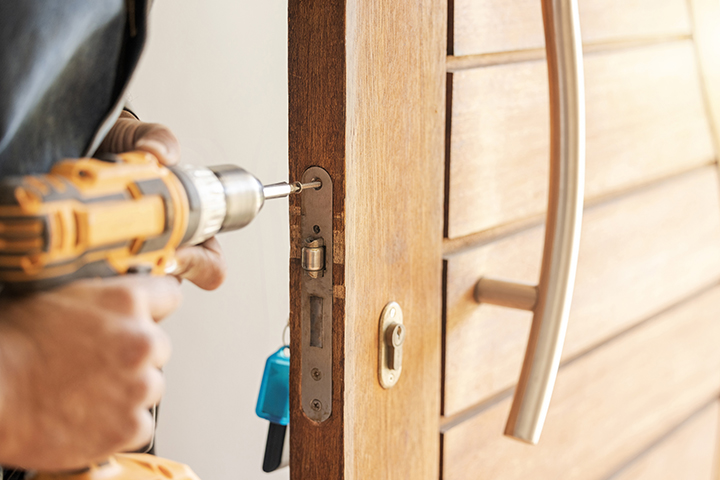
In most scenarios, your next step is to remove the door handle or knob, as this provides access to the lock mechanism. You’ll find the retaining screws for the handle/doorknob plates on the interior side of the door and be able to take them out easily with a screwdriver.
With the lock mechanism fully revealed, you can inspect things more thoroughly. Look for signs of corrosion and physical damage to the internal lock as well as the condition of any springs and pins. If things look off, you should measure the lock and order a replacement.
Don’t see any damage? Great! The job may be as simple as readjusting the lock, so give your strike plates and frame a good hard look.
Step 4: Readjust and/or Replace
If you’re replacing the lock, use your screwdriver to remove the retaining screw, and set it aside in a safe place. To remove the lock, you’ll typically need to insert the key and turn it slightly to the right (around 10 degrees); from there, it’s an easy task to slide out the lock. The replacement is just as simple – all you need to do is slide in the new lock with the key in the same position and ensure everything is neatly aligned before returning all of the screws and tightening them appropriately.
For those merely readjusting, you have even fewer steps to follow. After spotting any misaligned components, simply move them into the correct position by removing the screws and then using a suitable screwdriver to tighten them in their new spot – just be cautious not to overtighten, as doing so could strip the threads or damage the parts. Don’t overlook any loose screws within the lock mechanism during the process either!
Step 5: Reassemble & Check Your Handiwork
When you’re satisfied with the previous step, it’s time to return the door handles or knobs back into their original position, ensuring that the retaining screws are tightened properly, so you get a good grip on the handles.
With them back in place, you can test out the lock and make any final readjustments if necessary. Then – the best bit – admire your handiwork and treat yourself to a cuppa. You deserve it!

Prevention is Better Than Cure: Door Lock Maintenance to Stop Future Problems
To prevent finding yourself in the same predicament a year or so down the line, there are plenty of measures you can take to ensure that your newly fixed or replaced door lock lasts as long as possible. These measures should form part of a semi-regular maintenance routine; and before you disregard them, note that it’s not going to eat up into too much of your time and energy. Best of all, these tips will help mitigate the risk of burglary!
Treat Your Door With Respect
By far the simplest way to keep your door locks in good condition is to treat them kindly. This means no slamming, excessive force or overcleaning the locks. While it’s a good idea to get rid of dirt, for both functional and aesthetic purposes, remember that petroleum-based products are going to be abrasive, generally causing more hindrance than help.
Clean & Lubricate Your Locks
Leading on from our previous point, we recommend doing a bit of cleaning every now and again to avoid the build-up of debris, moisture and grime to keep everything functioning smoothly. All you need is a bit of mild detergent and water, and don’t forget to dry the lock off with a soft towel afterwards!
On top of this, you can actively promote seamless operation by lubricating the lock mechanism. Of course, the exact amount and type of lubrication required will vary between the different types of door locks, but graphite powder or a specialist silicone solution are popular locksmith-approved options.
Look After Your Keys
Finally, there’s the role of your keys. You should always be careful not to be forceful when inserting them into the lock – if you suspect that they’re broken or bent, you ought to get new ones cut or switch out the damaged one with your spares. After all, continually using a broken key can reduce the security of the lock, compromising the pins and putting pressure on the mechanism.
Still In A Pickle?
There we go: all of our knowledge on how you can fix a door lock. Still having trouble? Try not to sweat it – not everyone can be DIY pros. Whether you’re stuck in the process or need a professional touch to see you right, the York Locksmith Company can help. Get in touch, and we’ll see what we can do to sort out your issue.