Life isn’t all sunshine and rainbows, and sometimes, you have to change a door lock. This can happen for all kinds of reasons, from break-ins to lock faults, or if you’ve moved into a new house or flat and don’t know who has a set of keys.
These kinds of issues aren’t fun, and can affect landlords, homeowners, and tenants alike. They’re also fairly common, so understanding how to change a lock yourself can be a handy life skill. Because not only can you reduce security risks, but you won’t void your home insurance with your new locks.
But how do you actually do it yourself? In this easy-to-follow guide, we’ll help you with the task of replacing door locks in your property, covering (no pun intended) key topics like:
- When to change your door lock
- Which door locks you can change yourself, and which ones you shouldn’t
- Identifying and installing different lock types
- How to replace door locks in an emergency
- Key considerations when changing a door lock
- Your guide for changing a front door lock
- The most secure door lock types
- What to do as a landlord or estate agent
- When to call a local locksmith, instead of doing it yourself
Let’s dive in.
When Should you Replace a Door Lock?
There are various situations when replacing door locks is a necessity. These range from break-in attempts to lost or stolen keys, or your lock may just not be up to scratch from a quality perspective. The latter can make your keys stick or vulnerable to snapping.
Which Door Locks can you Change, and Which ones Should you Leave Alone?
The answer to this one will depend on various factors, mainly the type of lock in question. For example, you can usually change your own rim cylinder (Yale-style) locks, standard mortice sash, and deadlocks. You should also be able to replace Euro cylinder locks, if you have the key.
However, if you’ve lost the key to a Euro cylinder lock, or you aren’t 100% confident measuring or aligning parts, it’s probably best to leave it to the pros. And if the lock in question is part of a multi-point uPVC door system, you should probably cancel the DIY effort, as these are more complicated.
If in doubt, or you’re worried your insurance may be voided by damaging locks or doors doing it yourself, speak to a local locksmith who can do it for you.
Identifying and Installing Different Lock Types
Let’s explore the most common types of front door locks in the UK and how to replace them.
Euro Cylinder Lock
This type is generally found on composite, aluminium, and uPVC doors and is the most common lock type in the country. Here’s how you change a Euro cylinder lock yourself:
- Open the door and identify the screw that holds the cylinder in its place.
- Remove the screw and slide the cylinder out (gently!). While you do this, turn the key slightly at the same time.
- Measure the cylinder and replace it with an anti-snap version.
Losing the Euro cylinder front door lock key will also mean that you can’t slide the cylinder out. This usually means locksmith time. However, before committing to replacing the entire lock, you should also make sure you don’t just need to change the barrel of your uPVC door lock.
Mortice Deadlock (AKA Sash Lock)
Commonly found on timber doors, mortice deadlocks are embedded into the door itself. As a result, they usually require more effort to change than a Euro cylinder lock.
Here’s how it’s done:
- Unscrew the handles or faceplate of the lock.
- Remove the old lock completely from the door body.
- Insert your new lock, making sure it’s aligned accurately with the original keyhole and latch.
If you aren’t comfortable with the required precision, you’re probably safer just asking a locksmith to help with this.
Rim Cylinder (AKA Yale Night Latch)
These are usually found on older, wooden doors. They’re surface mounted, and out of the three we’ve looked at, they’re probably the easiest to replace.
Here’s how to change a rim cylinder or Yale night latch:
- Unscrew the inside night latch.
- Remove the outer cylinder that was connected to the door.
- Replace it with a new cylinder, making sure it’s all aligned accurately.

How to Replace Door Locks in an Emergency
Of course, you don’t always have time to be measuring locks and ensuring correct alignment. You may be locked out without a spare key, for example, or have been a victim of a break-in. If you’re a landlord, your tenant may have left suddenly and changed the locks, or your door might not lock or close.
We could go on for days, but a lot of the time, the best move is to speak to an emergency locksmith. Within the York general area, our locksmiths can be with you within 15 to 30 minutes in an emergency, and we’re available 24/7.
Key Considerations to Make When Changing a Door Lock
Of course, you should never just jump in and change locks if you don’t know what you’re doing. We know, it sounds obvious, but you’d be surprised by some of the calls we get.
Let’s look at some of the key considerations you should make when it comes to changing any kind of door lock.
Lock Complexity
Some locks are more complicated than others, with uPVC doors featuring multi-lock systems, for example, making them much more difficult to replace. To be honest, uPVC door locking mechanisms can present many problems, despite being a popular, generally safe choice.
So, check out what kind of lock you’re dealing with, and if it’s a bit too complicated, don’t risk it as you might cause more damage than necessary.
Costs
Trying to change your door lock yourself can lead to all kinds of problems, including expensive repairs if you mess it up. Understanding how much it costs to change a lock can save you time and a big old headache, because it’s probably not as much as you think.
Security
Before replacing a front door lock, ensure that it’s anti-snap and anti-bump for sufficient security capabilities. This is particularly important for Euro Cylinder locks. You might also want a keyed-alike system, with one key for multiple doors.
Insurance Ramifications
Your new lock should be approved by your home insurance provider, or it might void your coverage. The BS3621 is the door lock of choice for many home insurers, but it’s best to check your policy.
In some home insurance policies, you can’t install a new lock yourself, either, and you’ll need to have it installed by a professional locksmith.
Step-by-Step Guide: How to Change a Front Door Lock Yourself
Here’s the stripped-down, basic process for changing your front door lock:
- Identify your lock type, be it mortice, Euro cylinder, or rim.
- Purchase a like-for-like lock, or an upgraded version with the same measurements.
- Carefully remove the old lock.
- Install the new lock with care and accuracy.
- Test your new lock before closing the door and potentially locking yourself out or in.
And as a rule of thumb, for doors made of more complex materials like uPVC, your best bet is to not take any risks and call a professional locksmith instead.
What are the Most Secure Front Door Locks?
It’s worth understanding which locks are the most secure for your front door. This is particularly important if you’re replacing a front door lock for security purposes, because some locks look super secure, but in reality, they aren’t.
Here are some of the most trusted, high-security lock types available in the UK:
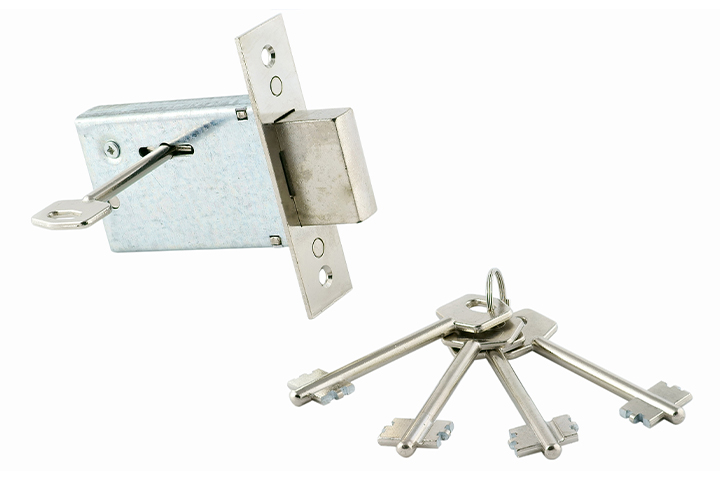
Five-lever Mortice Deadlocks
Traditionally found on timber doors, five-lever mortice deadlocks are some of the most robust options out there for front doors. They sit inside the door and utilise internal levers that have to align just right to open the lock, which makes lockpicking very difficult.
Popularly used for timber and composite doors over 35mm thick, five-lever mortice deadlocks are resilient to drilling, picking, and brute force, but they must be fitted professionally and correctly to be effective. If BS3621 certified, they’re usually approved by home insurance providers.

Anti-Snap Euro Cylinder Locks
These are the anti-snap upgrade to basic Euro cylinder locks. They’re designed with a sacrificial section that breaks if tampered with, which leaves the mechanism intact and inaccessible to burglars.
Again, these are best used for uPVC, composite, and timber doors, and come with anti-pick, anti-drill, and anti-bump features. TS007 3-star rated version of anti-snap Euro cylinder locks offer excellent security and are accepted by lots of home insurers.

Multi-Point Locks
As well as composite doors, multi-point locks are found on uPVC doors in patios and front doors. They engage multiple locking points, such as bolts, rollers, and hooks up the length of the door to unlock it. By distributing force resistance along the door’s vertical face, it’s much harder to force the door open.
Multi-point locks are usually approved by home insurance providers, particularly if combined with a 3-star rated cylinder. However, while multiple locking points make them structurally strong, multi-point locks can be expensive and complicated to fit.

Deadbolts
Coming in either single or double-cylinder options, deadbolts work by extending a solid metal bolt into a doorframe. Double cylinder versions have keys for both sides, while single cylinder alternatives allow for a thumb turn on the inside, instead.
They’re commonly used for timber and composite doors and have excellent resilience to crowbars and prying. They may go against fire regulations, however, and slow down exits in case of emergency. If they’re BS3621 rated, they’ll usually be approved by your home insurance provider.

Smart Locks
Smart locks are the most modern of the bunch and offer keyless entry with fingerprints, pin codes, voice control, or phone-based apps. They can be recognised by UK home insurers when combined with a certified mechanical lock, but usually not alone.
Smart locks bring with them various security benefits, from remote access to uncopiable entry, and activity tracking at your premises.
Whatever lock type you choose, it’s not just about the highest spec when upgrading or buying a high-security door lock. Instead, it’s about evaluating your door type and budget, as well as your genuine requirements.
What to do as a Landlord or Estate Agent
For landlords and estate agents, regularly replacing your door locks is highly advised. This is particularly important between tenancies, so you know who has keys to the house at all times. It’s also worth replacing any locks after evictions or disputes with tenants, for obvious reasons.
Replacing door locks is also highly advised during routine maintenance of your properties. If tenants flag security concerns or locks are showing signs of wear, it’s probably time to consider lock replacement, too.
Is it Time to Call a Locksmith?
If you’re still struggling with changing your door locks, even after reading this guide, try not to panic. Instead, contact a professional locksmith like The York Locksmith Company, and we’ll help you replace your door locks in no time at all.