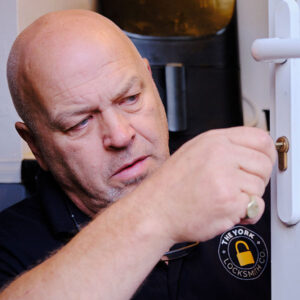
Lock snapping is a phenomenon I’m all too familiar with at The York Locksmith Company. A tactic used to break into homes by exploiting the weaknesses of vulnerable euro cylinder locks, this practice has been going on for the best part of a decade.
In my neck of the woods (North Yorkshire), in particular, the method is still prevalent unbeknownst to many residents. In fact, it wasn’t long ago that I was called out to Pocklington in the aftermath of a break-in to fix the damage to a customer’s front door, with a new anti-snap lock and handles.
I’ll get into this more later, but the speed, ease and quietness at which a burglar can bypass an old, damaged, or simply poor-quality cylinder lock is startling to say the least – and all the more reason to strike while the iron is hot.
In this guide, I’m going to divulge everything I know about lock snapping, from how it works to prevention, plus some additional home security tips – all picked up in my 15-year career in the security industry and 2 decades working as a local locksmith around York. Time to get cracking!
Skip to:
What is Lock Snapping? A Quick Definition
It’s in the name – lock snapping is a break-in technique used by criminals that involves applying force to a lock in order to snap the barrel in two.
Typically used on euro cylinder locks, and notably those poorly installed – i.e., with the barrel sticking out – it can take as little as 8-10 seconds to gain entry. That’s faster than making your morning cuppa!
How it Works
The scary thing about lock snapping is that it’s so simple that practically anyone can do it, even without the proper tools. Burglars just need a pair of pliers and a screwdriver to gain purchase on the lock, wrench off the front half of the barrel and unscrew the locking mechanism in the middle.
It’s not surprising that many petty thieves resort to this method; back in 2012, when 27% of all December burglaries were achieved via lock snapping, an ex-burglar told the BBC: “If I had the best lock picks in England I wouldn’t bother using them, I’d just snap the lock.”
To hammer home the point, here’s a demonstration – and one of many – I found on YouTube. See how quiet it is? This is exactly why many residents won’t realise they’ve experienced a break-in until the next day; they slept through the chaos, maybe their electronics are missing, or their car is no longer parked on the drive.
How Common is it?
Given the previous stat, you might be wondering how common lock snapping is today. Well, it’s good news and bad news.
Starting with the good: we’ve seen a huge overall reduction in the technique since 2011, when anti-snap standards were brought in. The most recent figures from 2023 show lock snapping burglaries trending downward at 677 incidents.
Despite this, there is some bad news. West Yorkshire Police estimate that 10% of burglaries still use this forced-entry method, and if you look at the raw numbers of crimes recorded, there is some regional difference. For instance, the police reported an increase in Manchester in 2023 and in Sheffield just last year, issuing warnings to residents in the areas affected.
Which Locks are ‘Vulnerable’?
Euro cylinder locks that are poor quality, damaged, old or outdated in terms of security features are most at risk. On top of this, there are several types prone to lock snapping:
- Single lock cylinders – they can only be unlocked from one side
- Double lock cylinders – you can gain entry from both sides
- Thumb turn lock cylinders – you can lock and unlock the mechanism from the inside without the key
Each of the types of door locks I mentioned above carries weaknesses and won’t be tested to the approved security standards (BS3621) that newer, more secure door locks will be.
If you suspect that your own are falling short here, it’s a good idea to get them replaced with a higher-grade model whenever possible – after all, your doors are only as robust as their locks.

How to Prevent Lock Snapping: 4 Essential Tips for Homeowners & Tenants
It’s time for the solutions part of this blog. Here are 4 essential things to get right, whether you’re a homeowner, tenant or even a landlord. Once you’ve ticked them off, you can rest easy knowing that the property is adequately protected.
1. Upgrade to BS Certified & Anti-Snap Locks
Your first port of call should be to replace any subpar locks with stronger ones that meet the British Standard Certification or equivalent standard; this way, you’ll know that they have been properly lab-tested against common burglary methods, picking and snapping included.
Another plus is they’re also insurance-compliant in the UK, so you won’t void your insurance in the event that an intruder does get into the property. It’s also ideal for discerning landlords who want to stay on top of their responsibilities.
Lock Standards Explained
Along with the BS3621 certification I already mentioned, there are several other standards I think are worth knowing. Let’s run through all the options.
- BS3621: The most common standard by far and the basic level of security required by insurance companies. They’re for locks operated by keys on both sides and have a minimum of 1000 key combinations.
- BS8621: Similar to BS3621, but it allows for a keyless entry from the inside. This is typically used for fire escape routes where a swift, keyless exit is critical.
- BS10621: The highest security level allowing operation from the inside, preventing unauthorised exit and entry. Best suited to high-risk areas, but note that it can pose a fire safety ris
- TS007: This standard evaluates cylinders and door handles from one to three stars for security.
- SS312 Diamond: the highest grade a lock cylinder can achieve for security and the equivalent of British Standard 3-Star Kitemark.
What is an Anti-Snap Lock & How to Identify Them?
So, what are anti-snap locks? Again, what they sound like: a type of lock designed to resist snapping.
Anti-snap locks are easy to spot; their cylinders feature breakaway lines that snap under force, allowing the internal lock mechanism to stay intact and preventing access to burglars.
You’ll also see the iconic heart-shaped British Standard kitemark on the barrel, along with a standard number and certification date.
For euro cylinders, in particular, you’ll likely see stars. 1 star = a treat for the burglar, since they’re so easy to exploit. Get it changed! If yours is 3 stars, you can relax – these higher-rated models are a great deterrent as they’re very difficult to break.

2. Ensure a Decent Installation from the Get-Go
A poor installation can really hamper your lock’s security, and while it’s 100% possible for you to change or fix your door locks DIY, the best results come from the professionals. A qualified local locksmith like myself can ensure that the lock is fitted correctly and advise on your options.
That said, if you’re set on doing it yourself, make sure to measure your euro cylinder accurately, as every millimetre counts – you’ll want it sitting snug and the barrel flush to the handle plates, so burglars can’t grip the protrusion with pliers and snap it off.
3. Look After Your Door Hardware
As explored in many previous blogs, looking after your door hardware pays dividends. Try not to slam the door harshly if possible, and do a little maintenance every now and then to keep your locks performing their best.
There are also optional upgrades to be made: cylinder guards and security handles are both excellent choices, while if you’ve the budget, you might want to enhance the door’s security itself – composite is much stronger than uPVC, for example.
4. Supplement Locks with CCTV & Other Burglar Deterrents
When security is concerned, it’s better to be safe than sorry. That’s why I always recommend that my customers pair a robust lock with extra security measures. They don’t need to be flashy and expensive; small touches like a neighbourhood watch sticker in the window, automatic lights or cheap sash jammers make all the difference.
Conclusion: Make Sure Your Locks are Up to Par
While lock snapping is gradually dying out in the UK, along with a dwindling number of burglaries, the criminal practice still poses a genuine risk to homeowners, tenants and landlords alike.
For residents living in homes lacking the iconic heart-shaped BS kitemark on their locks, this signals that an upgrade is in order. Luckily, swapping out these subpar pieces of hardware is relatively cheap – and when compared to the emotional cost of experiencing a break-in – infinitely cost-effective. As they say, you can’t put a price on peace of mind.
Sounds like you? Then get in touch with me, Steve – I’m fully CRB/DBS checked and with 2 decades of experience in the locksmithing game, you can trust I do a good job. Alternatively, you can find more home security advice on the rest of the blog.