It’s a tale as old as time: valuables are spotted by an easy-to-access window left ajar, and an opportunist – like a seagull nabbing an unguarded cone of chips – swoops in and pinches them right from under the victim’s nose. And, while you might assume it could never happen to you, these types of crooks love to prey on moments of forgetfulness, which would explain why window security has been in the public consciousness for decades, from The Beatles’ She Came In Through the Bathroom Window to the more recent, and serious, warnings issued to residents across Yorkshire.
To play my part in keeping the community safe, here are some top tips for securing your home’s windows that I’ve accrued over two decades in both the security industry and serving York as a master locksmith. Spoilers: the through line is all about staying vigilant through small acts of deterrence. Now, let’s get down to business.
Skip to:
- The Fundamentals of Window Security
- 12 Critical Window Security Tips That Make You Safer
- The Bottom Line
- Frequently Asked Questions
The Fundamentals of Window Security
Before we get into the practical stuff, it’s worth zooming out to the bigger picture. Why are windows such a weak point in our home’s overall security? And when is a good time to get them out?
Let’s start with the first question.
The Path of Least Resistance
Windows are often on the top of thieves’ lists simply because they are an easy target. Put yourself in their (slimy) shoes: would you rather slip in through an open window, or try your luck at picking the locks on the external doors? I won’t insult your intelligence over your choice, but one is decidedly less effort, granting the criminal extra time to ransack your home and find your most precious valuables.
When the worst-case scenario could be losing your car, as happened to an elderly resident in Nottinghamshire last year, window security should never be overlooked – especially when the cause of 32% of UK domestic burglaries is vulnerable windows, whether pushed open or the lock forced.
When Should I Take Action?
As for the timing of addressing your window security concerns, the answer is simple: now. Crime doesn’t wait for the most convenient moment (though, granted, there tends to be some seasonal fluctuation). And neither should you put off the crucial task of defending your home.
It’s not just a matter of safeguarding your belongings here; burglary is a deeply invasive and potentially traumatising crime, which could leak into your personal life, sense of safety and peace of mind – all things worth protecting.
Whether you’ve just moved into your dream house and are already changing the locks, you’ve been in your current residence for years with no trouble, or are taking preventative measures after experiencing a break-in, reading up on security measures you can implement for your windows should be high up on your priorities.
Essential Risk Factors to Understand
While, yes, burglars could strike at any moment of weakness, some risk factors consistently alter the odds. Allow me to share a few facts that contextualise the issue.
- South Yorkshire Police estimate that homes lacking proper security measures are five times more likely to be burgled than other residences.
- Burglars are known to revisit homes that fail to upgrade security following the incident and are more likely to be targeted.
- Burglars will look for addresses they think contain valuables, intel they can gather from expensive items outside your front door and valuables visible from the windows.
- Often, specific homes will be targeted because a criminal has spotted a vehicle they fancy stealing. Here, the motivation behind the break-in is finding the keys.
- Locations correlate with crime levels; a more built-up, richer, urban area might be at greater risk than lower-income areas, or vice versa, depending on situational context.
12 Critical Window Security Tips That Make You Safer
With that preamble covered, it’s time to dive into how to best secure your windows. Here I’m sharing insights gleaned from years in the locksmith trade – from day-to-day habits that make a difference to bigger window security upgrades, such as the best choice of window lock mechanism.
1) Upgrade Your Windows with a Suitable Repair or Replacement
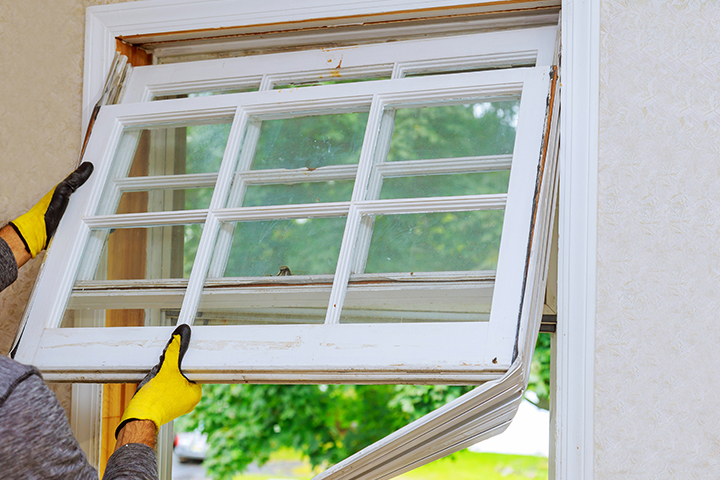
As they say, your home is only as secure as its weakest point of entry. So, if you live in an old property that hasn’t been updated in years, there’s a good chance your windows – and more importantly, their locking mechanisms – are overdue for attention.
In many cases, upgrading doesn’t necessarily mean a full window replacement. A professional repair or lock upgrade can significantly improve security at a fraction of the cost. However, if your frames are warped, poorly fitted or structurally compromised, replacement may be the smarter long-term investment.
Casement windows tend to offer the highest level of protection, as they allow for the installation of more secure locking systems, including modern keyed and latch varieties. These provide controlled access, a strong seal when closed, and the option to add further reinforcement for extra peace of mind.
If you’re upgrading multiple windows at once, it’s well worth asking about having them keyed alike. This means one key operates all your window locks: a simple but highly convenient solution that reduces key clutter and makes everyday use far easier.
Of course, not every issue calls for a full upgrade. Some common window lock problems can be tackled yourself. For example:
- A key stuck in the lock can sometimes be carefully removed using thin-nosed pliers.
- A stiff or gritty mechanism may simply need cleaning and a small application of graphite powder or another lubricant to clear grime build-up and restore smooth operation.
That said, if you encounter a more complex issue with your uPVC window locking mechanism – such as internal gearbox failure, misalignment, or a faulty multipoint system – it’s best left to a qualified locksmith like myself. Attempting a DIY repair on these components can often cause further damage.
2) Invest in Burglar-Proof Locks
As I’ve established, intruders tend to go for easily exploitable homes. That’s why I strongly suggest doing your homework to find the strongest locks that are compatible with your home’s hardware.
As a bare minimum, they should meet BS3621, which is a British standard that guarantees top performance, resistance to forced entry methods like lock snapping, picking and bumping, as well as home insurance coverage. If you have a subpar window lock mechanism and get broken into, you may invalidate your claim.
Look out for the most up-to-date version, BS 3621:2017+A1:2024. You can easily identify it by the iconic heart-shaped kite mark engraved into the metal.
3) Keep Windows Locked When Your Home is Empty and Unattended
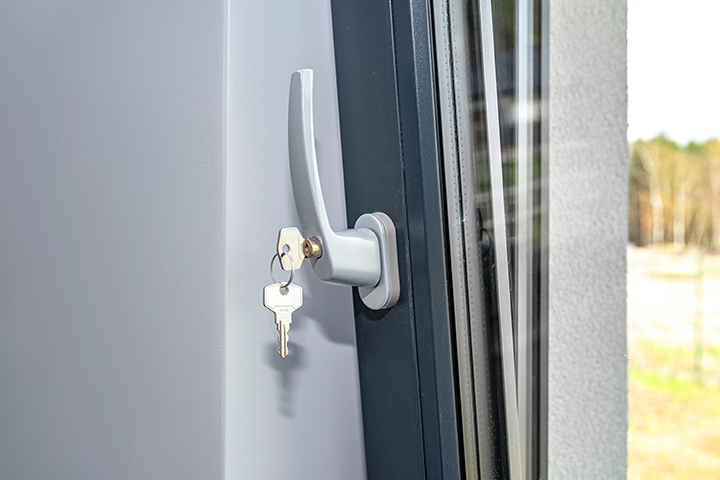
It may seem obvious, but the easiest way of dodging the bullet of a break-in is by keeping your windows locked when they’re left unattended, including on summer nights or when you’re in the vicinity, such as in the garden.
Make it a habit to lock all windows whenever you leave your home or go to bed. This simple step can significantly reduce the risk and sends a strong message to would-be intruders that you’re not to be messed with.
4) Avoid Displaying Valuables in the Windows
Visible valuables are like a lamp to a moth, tempting criminals to target your home. However nice your display might look from the inside, it’s simply not worth advertising your belongings to anyone passing by.
Keep curtains or blinds closed when you’re not around, especially in rooms where high-value items, electronics or pets are kept. Large TVs, laptops, gaming consoles, designer handbags and jewellery placed near windows can quickly signal an easy opportunity to an opportunist thief.
I also recommend you avoid positioning expensive items within clear line of sight of doors and ground-floor windows. Even something as simple as moving jewellery off a windowsill or keeping car keys out of view can significantly reduce the temptation factor.

5) Deploy Window Stickers as a Visual Deterrent
Window stickers or decals from security companies and neighbourhood watch schemes can serve as a visual deterrent to potential intruders. Even if you don’t actually have a security system in place, putting these stickers on your windows creates the illusion of protection, dissuading burglars from attempting a break-in.
This home security tip goes a long way and is effective across the board for homeowners, landlords fulfilling their rental obligations, and small businesses alike. And, best of all, it’s extremely cost-effective.
6) Safeguard Sliding Windows with Stops
Are your windows within easy reach from the outside? Take a quick look around: are there low walls, bins or garden furniture positioned near enough to give someone a boost? If so, you may be unintentionally making upper or ground-floor windows far more accessible than you realise.
One simple and effective solution for sliding sash windows is to install sash stops. These small but sturdy devices prevent the window from being opened wide enough for someone to climb through, whether it slides horizontally or vertically. They’re a straightforward way to add an extra layer of security without replacing the entire locking system.
The good news is that these tools are inexpensive and widely available at most hardware stores. For an even simpler DIY fix, a correctly sized dowel rod placed firmly along the window jamb or track can achieve a similar result by physically blocking the window from sliding open beyond a set point.
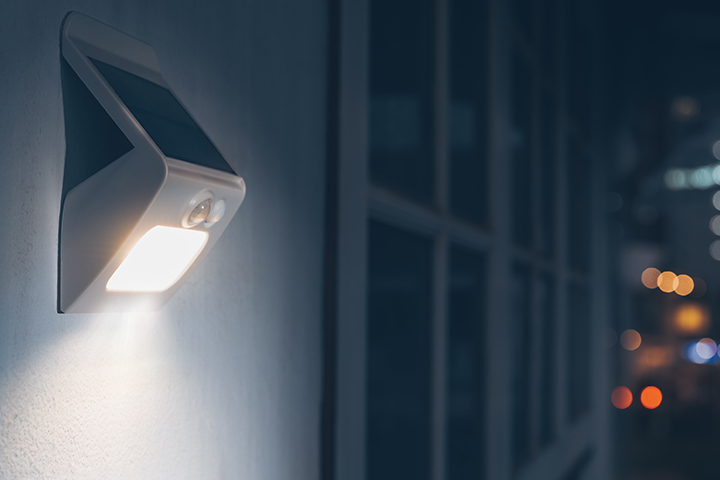
7) Dissuade Intruders with Motion Detector Lights
Motion-activated lights near windows are a highly effective way to startle and deter intruders, instantly illuminating their presence and removing the cover of darkness. Installing them around vulnerable access points helps draw attention to dark or secluded areas where someone might otherwise attempt to lurk unnoticed.
8) Install a Security Film or Laminated Glass
This tip is ideal for those looking to take a more proactive approach to burglary prevention, rather than relying solely on deterrents. Security film or laminated glass reinforces your windows, making them far more resistant to forced entry. These transparent layers bond to the glass surface, strengthening it against impact. While not impenetrable, security film can significantly delay intruders and provide valuable time for help to arrive.

9) Keep Home Invaders Out with Window Opening Restrictors
Window opening restrictors limit how far a window can be opened, preventing intruders from gaining access while still allowing for ventilation. These devices are particularly useful for ground-floor windows or windows in children’s rooms, offering added peace of mind without compromising on safety or, indeed, practicality.
10) Add a Layer of Security with a Wireless Alarm System
When you’re concerned about window security, wireless alarm systems provide a valuable safeguard. These sensors trigger an alarm if a window is opened, poked, prodded, or otherwise tampered with, alerting you and potentially deterring intruders.
You can purchase a simple window alarm that sticks directly onto the glass for as little as £15, offering flexibility and effortless installation – an exceptionally convenient choice, if I saw one. Of course, high-end versions, which are recessed and concealed, are equally effective options, so make sure to explore your options.
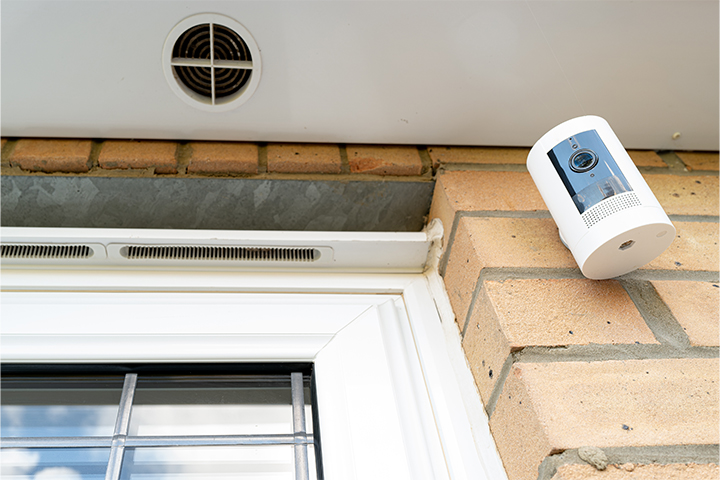
11) Position a Surveillance Camera by Your Window
Strategically placed surveillance cameras can monitor activity around your windows and provide valuable evidence in the event of a break-in. They’re also a wonderful, proven deterrent against thieves looking for easy access.
Where to start? I reckon installing cameras with a clear view of vulnerable entry points, such as ground-floor windows or those near back doors. Nowadays, modern surveillance systems offer remote viewing capabilities, allowing you to keep an eye on your property from anywhere, and there are a ton of options at different price points for you to choose from – including inexpensive fake cameras at the cheaper end. This way, even if you’re on a tight budget, you can take further steps to protect your home.
12) Contemplate Installing Grilles or Shutters
For added security, consider installing grilles or shutters over windows, especially those on the ground floor or in secluded areas. These physical barriers provide an additional layer of protection, making it difficult for intruders to access windows, even if the locks are bypassed. Grilles and shutters come in various styles and materials to complement your home’s aesthetic, so don’t worry, they need not look like prison bars!
13) A Bonus Word of Wisdom: Maintenance Matters
Window security isn’t a one-and-done chore, I’m sorry to say. The only way to ensure consistent, high-level security is by keeping on top of things over the years. So, if your current residence is your long-term home, I highly recommend scheduling in some semi-regular maintenance on your window locks, with a touch of lubricant once a year. And, of course, treat your windows well – slamming them, or letting high winds slam them for you, fast-tracks the wear and tear, and ultimately hurts your pocket.
Take Home Security Into Your Own Hands
As a locksmith, I’ve lost count of the number of times I’ve been called out after a break-in where weak or outdated window locks were the problem. The truth is, window security doesn’t need to be complicated, but it does need to be taken seriously.
If there’s one thing I’d urge you to do, it’s this: upgrade those subpar or ageing window locks asap. Old, worn or poorly fitted locks are one of the easiest ways for an intruder to gain access. And in my experience, leaving them in place is almost like giving someone a free pass into your home.
Of course, you don’t have to overhaul everything overnight or install a big moat around your pad. Seriously, though, putting a couple of solid security measures in place makes a real difference. But strong, reliable window locks should always be the foundation; after all, they’re your first line of defence and a clear signal that your home isn’t an easy target.
Unsure about the condition of your window locks? Then, have a chat with a trusted local locksmith and get them checked properly. A simple upgrade can often be done quickly and affordably, and it’s a small step that brings long-term peace of mind.