I don’t know about you, but it feels like everything is becoming ‘smarter’ nowadays. Seemingly overnight (okay, over a couple of years), more of the houses on my street have donned Ring doorbells, smart TVs have broken into the mainstream, and phone activated lights are becoming all the rage. Lagging just a tiny bit behind are smart locks, perhaps because home security is such an intimate, emotionally charged area – but what exactly is a smart lock and how do they work in practice?
If you’re here to satiate your curiosity or you’re just feeling the FOMO, keep reading. In this guide, I’m laying down my opinion as a master locksmith with 15+ years of experience in the security industry. By the end, you’ll have a strong inkling whether it’s a good idea or not for your home.
Skip ahead to:
- So, What are Smart Locks?
- How The Technology Works
- The Pros & Cons of Smart Locks
- Analogue or Digital Home Security, Which Wins Out?
- Conclusion
So, What Are Smart Locks?
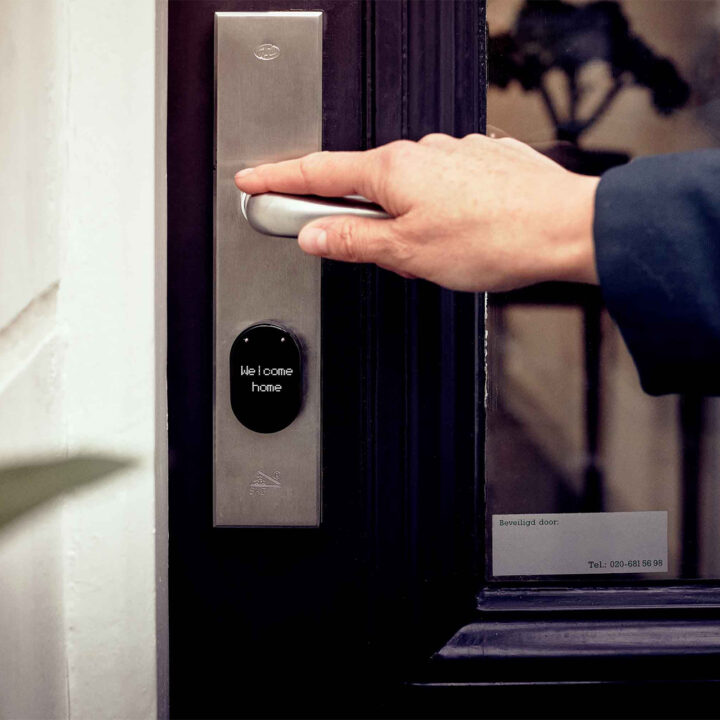
If you’re a newcomer to the concept of smart locks or smart home tech more broadly, boy, are you in for a treat. These clever gadgets take the concept of your typical door lock but make it keyless, convenient and remote operable. The hardware is typically integrated with your Wi-Fi, so access can be doled out via the power of your smartphone.
More succinctly, they’re a type of lock with tech embedded in it. Often this is a British Standard lock such as a deadbolt, which has been modified to facilitate keyless entry. Thank God, if you have your ditsy moments.
How The Technology Works
As impressive as smart locks sound, they’re not exactly new inventions. First appearing back in 2013, they’ve undergone a serious amount of iteration and improvement, not to mention an aesthetic upgrade (but more on that later).
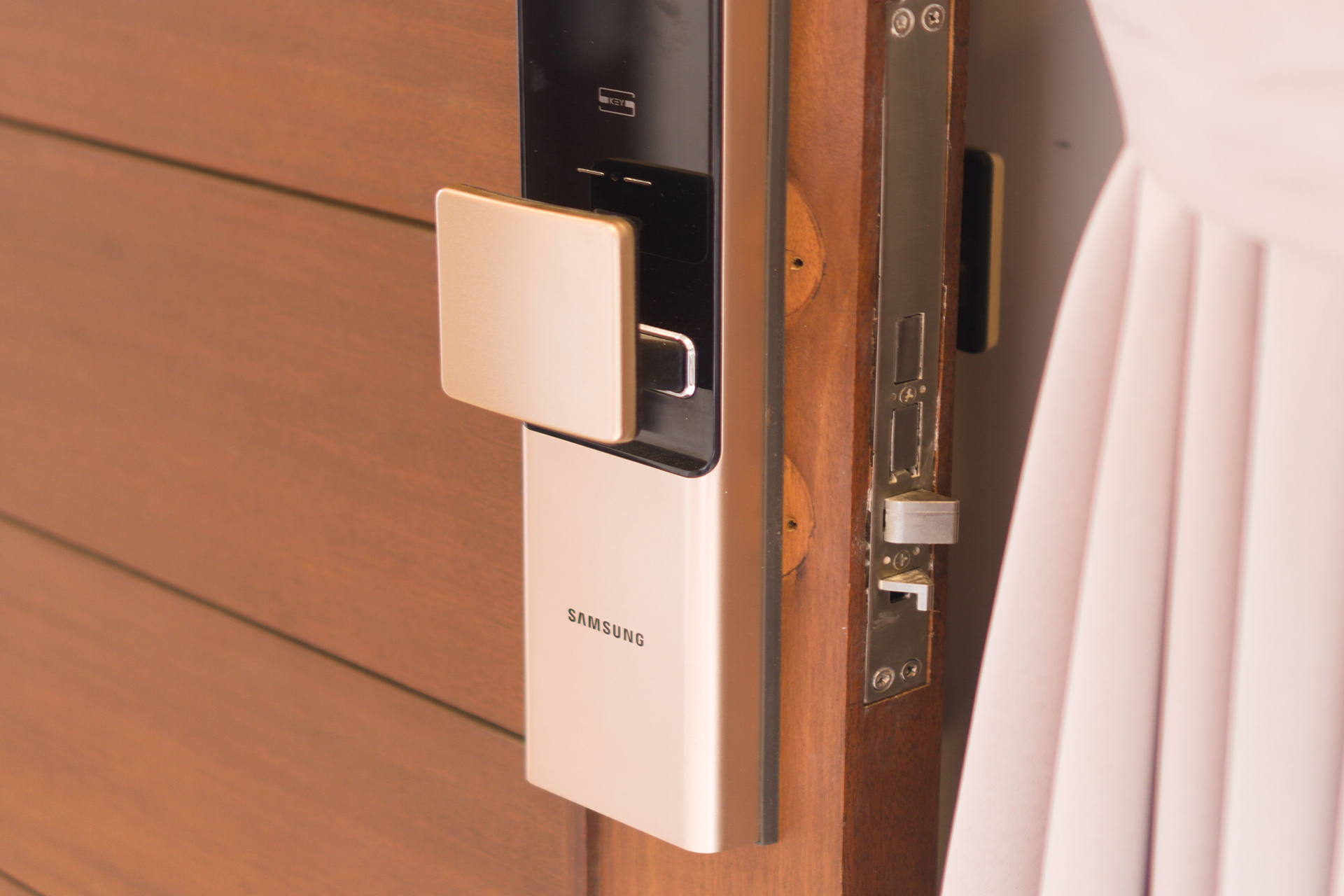
Instead of using a traditional type of key, smart locks rely on digital signatures to determine whether it’s you: a code via an electronic keypad, biometric sensors trained to match your fingerprint or iris, access fobs, or the most popular methods, Bluetooth or WiFi it senses from your phone.
In each of these instances, the device relies on a unique identifier transmitted to the hardware via electronic means. When the system receives the right signal, the door will automatically unlock and, of course, lock again behind you.
Popular Features
Besides the rudimentary, it locks and unlocks at your command, many of the leading smart locks boast a menu of additional features.
Ostensibly, the handiest, is the ability to monitor and control the lock when you’re out and about – a lifesaver if you’re on holiday and you forgot about a parcel you preordered months ago or Mum needs to pop around to water the plants. Connected up with your CCTV or doorbell cam, you can even check whether the delivery guy is who they say they are.
Another feature behind the exploding success of smart locks in recent years has got to be the ability to create and revoke virtual keys for guests and other visitors such as tradesfolk, kind of like a master key system but more flexible. This way Mum can do her thing without having to call or message you directly to be let in. Hence why, alongside electronic key safes, they’re massively popular among AirBnB hosts and the rental platform has a special integration with Yale locks.
Then there are the small conveniences: alerts if the door is left open, quiet modes for early morning use, schedule setting, access log monitoring, tamper alarms, two-factor authentication, voice activation… the list goes on.
Smart Home Compatibility
Another thing to keep in mind is how deep you want the integration to go. Of course, loads of standalone models exist: the PaxLock Pro and Yale’s Keyless Connected Smart Lock both allow you to install them without an overarching digital infrastructure, with the option to upgrade to a networked system if your preferences change. Ideal, when you’re looking for something affordable or don’t want to deal with the hassle of a fully-fledged smart home.
If smart home integration is on the cards, though, the popular models have great compatibility with Apple Home, Amazon Alexa, Google Home, Samsung SmartThings and more, meaning that if you have another device in these technology families, you can use that, too, to access your front door.
Yep, you can unlock the door via a smart watch. The future is here!
The Pros & Cons of Smart Locks
Now, I know some of you are thinking, “Do I really trust my phone to be my home’s first line of defence?” “And what happens if I’m on a day out in London and some cyclist nabs my phone while I’m distracted staring up at Big Ben?” Far from paranoia, these are good questions.
To give you a proper introduction to the tech, it’s time to weigh up the pros and cons, and find out whether they actually keep your home secure.
Starting With the Pros…
- You can consign awkward key rummaging to the past; entry is speedy and painless, finally.
- Keys, purse, phone? Nope, scratch that first one. That means fewer things to remember when you pop out to the shops and less liability on a night out.
- Equally, it’s much trickier to get locked out.
- They can be fitted to practically any door, uPVC, composite or timber.
- Assign permanent or temporary access codes for loved ones, tradespeople, letting agents, holiday home guests, your pet sitter, anyone you want!
- If you have other smart home tech, like an increasing number of Brits, you can connect up your locks for the added convenience.
- If multiple people are coming and going, especially in the case of business premises which require tight office security, looking at activity logs is great peace of mind.
- Remote unlocking makes you a great friend in an emergency. If your mate is stranded in your hometown, you can put them up without being physically there.
- The same principle goes for older kids who might arrive home before you clock out from work. You could set a scheduled time for the entrance to unlock or add them to a fingerprint scanner.
Now for the Cons…
- A major downside of smart locks is that they rely on batteries, which makes them fallible. Alongside other electronic faults, they can run out of juice or fail at random. And these things never pick a good time to do so.
- Likewise, internet dependence is a prerequisite for functionality, some models even needing separate Wi-Fi connection to work properly.
- And because they run on third-party software, you lack the control that owning your own hardware brings. Connectivity issues or app glitches can crop up and that requires getting in touch with support, plus ongoing maintenance.
- Also, if something goes wrong with your phone – it breaks or you lose it – and you don’t have a backup, that’s not much different than getting locked out due to a trapped or broken key.
- Obviously, a high-quality lock isn’t going to be dirt cheap, but smart locks tend to have an even higher upfront cost and a lower lifespan than traditional options.
- It might sound a little spy thriller-esque, but hacking is a genuine concern users need to be aware of. If you’ve opted for a cheaper model with subpar encryption or haven’t kept the software up to date, they can be vulnerable to cyber criminals.
- Likewise, models that are ‘retrofitted’ as in they sit over an existing lock are still prone to manual attacks like lock snapping or bumping.
- 70% of smart device owners admit that managing their tech has felt overwhelming, so smart lock adopters need to be prepared for ongoing maintenance and the learning curve getting to grips with a new system naturally requires.

Analogue or Digital Home Security, Which Wins Out?
Call me old school, but my money is always on traditional locks. The risk of break-ins between the two is about the same, since smart locks are essentially normal ones with the tech built in. However, electronic faults are a genuine concern to have on your radar.
My experience of smart locks is they’re just not reliable enough to consider them your main line of defence. I get a lot of calls for electronic failures, usually with faulty readers or dead batteries, which is pretty useless when your Airbnb client rocks up at 11pm in the rain.
Many a time, I’ve been called out to an emergency lock out due to these gadgets. In fact, one of my customers, an Airbnb owner, had to drive two hours late at night after theirs failed just as guests arrived. The letting agent had already closed, so I was called out to replace the electronic lock with traditional hardware.
So, why reinvent the wheel when secure, tried-and-tested locks exist? Keying them alike is just as effective to grant authorised individuals access.
Conclusion: A Blended Approach Might Be the Compromise You Didn’t Know that You Needed
For ADHDers, big families, landlords, holiday lets, or simply those with an appetite for modern life’s little conveniences, a keyless society is a seductive vision of the future. But from a pure security standpoint, we’re not quite there yet.
That said, if you’re looking to supplement your traditional hardware (the good ol’ key and lock combo) with something cutting-edge, a compromise is a nice stop gap while the technology continues to improve.
In the meantime, read up on smart lock security. Tiny tricks like continually updating your software, crafting strong passwords, complementing it with other security systems and making sure it’s properly installed make a world of difference.
Speaking of, if you need a certified professional to change your door lock, give me a ring. I’d be glad to help.